.png)
Celebrating Love Beyond Special Occasions: Intentional Parenting and Relationships

Easter Reflection on Love
Easter (Passover) is a time that we are reminded that Love is not just celebrated on Valentines Day, birthdays or anniversaries. This is also a time that we are reminded of God’s love for us.
Love as a Daily Practice: Intentional Parenting and Relationships
LOVE should be a daily celebration in our relationships with our spouse, parent, child, sibling, friend, or colleague - this is at the heart of intentional parenting and relationships. We need to be asking ourselves:
“How can I be a better one?”
So how do we get better at giving love?
Becoming intentional about giving our love is how we grow. Seeing as we all love to tick boxes, here are a few for us to tick today and every day.
Being intentionally present
How much time do we spend thinking about what we must do next instead of just “being still” with the person in our company?
How often do we get annoyed when we have to stop what we are doing because someone wants a bit of our time?
Being present means intentionally putting aside our own thoughts and worries and being sincerely interested in another person’s presence. It means setting aside distractions - whether it’s phone calls, to-do lists, social media, TV, emails, or general busyness.
Children spell LOVE as T.I.M.E.
The way to a child’s heart is to spend time with them.
Intentional Communication
Intentional communication means making sure that we are available for honest and kind communication with another person.
It means being a good listener.
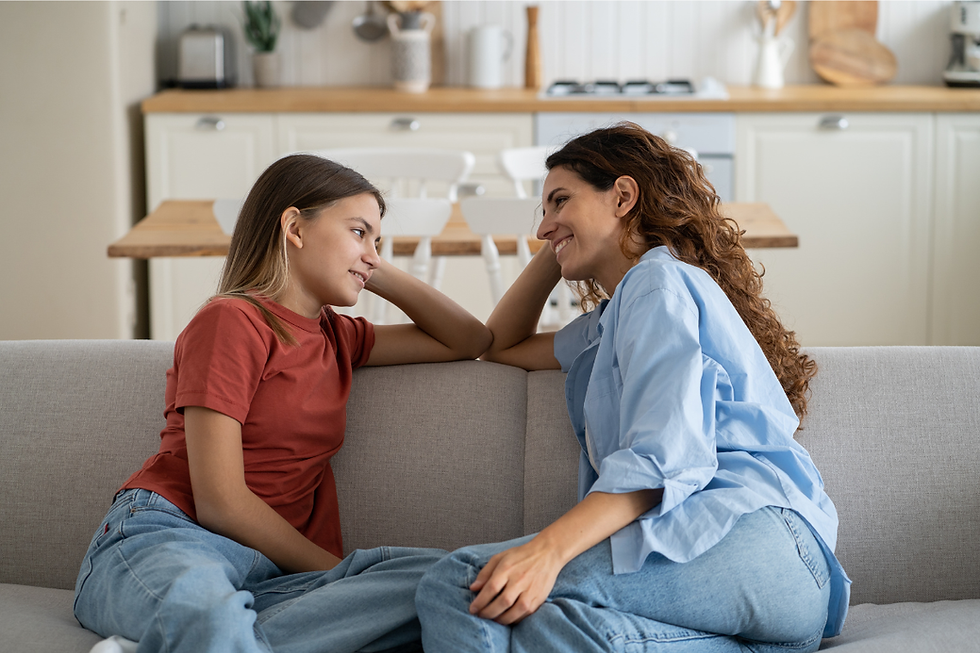
Being a good listener means allowing someone to complete their thoughts without interrupting or changing the subject. When we know someone is really listening to us, it makes us feel valued and important.
(The way to a teenager’s heart is to really listen to them.)
Multi-tasking does not allow for good listening. Being busy with a task, being interrupted, or looking around the room while someone is speaking does not create connection.
Intentional communication also means speaking with respect.
Being an Intentional Encourager
Encouraging those around us through support, compliments, and acknowledging their efforts is a gift that is easy to give.
To encourage means to speak out our appreciation towards someone.
We can encourage through:
A smile
A quick message
A phone call
The power of encouragement can change someone’s life.
Children love to find encouraging messages in their lunchboxes too.

Intentionally Working Through Conflict
Every relationship goes through conflict - whether it is a discipline issue with a child, a misunderstanding, or a disagreement.
Being willing to work through conflict shows commitment to a relationship.
It is okay to disagree. We do not have to agree on everything.
Keeping a Sense of Humour
Finally, keeping a sense of humour.
Being able to laugh at ourselves and with others helps to strengthen our relationships - with ourselves, our families, and those around us.
Laughter helps keep relationships alive.
Love Toolkit
Over the next few weeks, think about how many people you can:
Encourage
Listen to
Spend quality time with
Reflection
How do I plan to incorporate these practices of love into my everyday life?
“Love is patient, love is kind. It does not envy, it does not boast, it is not proud. It is not rude, it is not self-seeking, it is not easily angered, it keeps no record of wrongs. Love does not delight in evil but rejoices with the truth. It always protects, always trusts, always hopes, always perseveres. Love never fails … And now these three remain: faith, hope and love. But the greatest of these is love.” .” (1 Corinthians 13, NIV)
May your days be blessed with love given to and received from others.


Comments